Effective garbage disposal maintenance requires running cold water before and after use, operating the unit regularly, and avoiding grease or non-food items. You can prevent clogs and odors by cleaning the system with ice cubes or citrus peels while avoiding fibrous vegetables or expanding foods like pasta. These simple habits keep the appliance running efficiently and help homeowners avoid expensive plumbing repairs.
Few household sounds are as frustrating as the sudden, wet grind of a jammed garbage disposal right as you are finishing the dinner dishes. When your unit fails or begins to emit a persistent, sour odor, it disrupts the flow of your kitchen and often signals a costly repair on the horizon. For homeowners in Fillmore, maintaining this hardworking appliance is about more than just convenience; it is a critical step in preserving your plumbing system and preventing messy backups. In this guide, our experts at Gobes Plumbing provide practical strategies to extend the life of your unit. You will learn which items are strictly forbidden, how to perform safe weekly cleaning, and the truth behind common maintenance myths. We will also cover essential troubleshooting steps to help you identify when a simple reset will work and when it is time to call in the professionals.
Why Proper Garbage Disposal Maintenance Matters in Millard County
The garbage disposal is the primary workhorse in Fillmore kitchens, yet it remains one of the most misunderstood appliances in the home. While it often seems like a heavy duty grinder capable of handling anything, it is actually a precision tool that accounts for a large portion of local residential service calls. At Gobes Plumbing, we understand the specific plumbing layouts and water conditions across Millard County, allowing us to provide reliable professional plumbing services tailored to our community.
Proper garbage disposal maintenance is the difference between a functional kitchen and a sudden plumbing crisis. Without regular attention, internal components can corrode or seize, leading to a backed up sink just as you are preparing a large family meal. We focus on accurate diagnostics and efficient solutions to help homeowners avoid these stressful emergencies. By understanding how this appliance functions, you can protect your pipes, prevent foul odors, and ensure your kitchen remains the heart of your home without the threat of unexpected flooding.
The Forbidden List: What Never to Put Down Your Disposal
Protecting your kitchen from those unexpected floods starts with a clear understanding of what constitutes garbage. Many homeowners treat the disposal like a trash can, but the unit is actually engineered only for light, water soluble food residue. The following items are the most frequent culprits behind residential blockages in Fillmore.
Fats, Oils, and Grease (FOG) Never pour liquid fat or cooking oil down the sink. While they flow easily when hot, they quickly cool and solidify inside your plumbing. This creates a waxy buildup that traps other food particles, eventually narrowing the pipe until it clogs completely. It is best to dispose of these in a separate container and throw them in the trash once they have cooled.
Fibrous and Stringy Vegetables Items like celery, corn husks, asparagus, and artichokes contain tough, long fibers. Instead of being pulverized, these fibers can act like twine, wrapping around the disposal's moving parts and stalling the motor. This can lead to burnt out components or a jammed unit that requires accurate diagnostics and efficient solutions to fix.
Starchy Foods Pasta, rice, and oats are highly absorbent. Even after they pass through the disposal's grind ring, they continue to expand as they sit in the water inside your pipes. This creates a thick, glue like paste that is notoriously difficult to clear without professional tools. Small amounts might seem harmless, but they accumulate quickly in the trap beneath your sink.
Coffee Grounds Perhaps the most common misconception is that coffee grounds are fine because they are small. In reality, they do not dissolve or break down in water. They settle in the P-trap or the bottom of horizontal pipes, accumulating like heavy, wet sand. Over time, this sediment builds up until the water has nowhere to go. Keeping these items out of your sink is the simplest way to ensure your system continues providing reliable professional plumbing services for your household.
Daily Best Practices for a Healthy Disposal System
Maintaining a healthy kitchen environment requires more than just avoiding the wrong scraps. It requires a specific sequence of operation that protects both the unit and your drain lines. The most critical habit to adopt is the Cold Water Rule. You should always turn on the cold water before activating the unit, keep it running throughout the grinding process, and continue the flow for at least 20 seconds after you turn the disposal off. Cold water is essential because it keeps any trace amounts of grease or fat in a solid state, allowing the disposal to chop them into small bits that flush through the system. Hot water, by contrast, melts these substances, leading to a film that coats your pipes and eventually traps debris.
Proper operation also involves mindful portion control. Never stuff the chamber to the brim. Instead, feed the disposal gradually, processing no more than one cup of food waste at a time. Overloading the unit can lead to motor burnout or a stubborn jam that requires accurate diagnostics and efficient solutions to resolve safely.
Make it a point to run your disposal every day, even if you do not have much to grind. In our Utah climate, internal components that sit idle in a damp environment are prone to rust and corrosion. Regular movement keeps the impellers free and the motor seals lubricated. If your unit has been sitting unused for an extended period, the internal parts may seize, necessitating reliable professional plumbing services to restore functionality. Consistent garbage disposal maintenance through daily use ensures the mechanical parts stay agile and the drain lines remain clear of standing sediment.
How to Clean and Deodorize Your Unit Safely
Even with diligent water usage, organic residue can accumulate inside the grinding chamber, leading to unpleasant smells and bacterial growth. To clean the internal components safely, toss two cups of ice cubes into the disposal. As the unit grinds the ice, the frozen chunks act as a mechanical scrub, scouring the impellers and the grind ring to knock loose stubborn debris. For a natural scent, add a few small lemon or orange peels during this process. The citric acid and oils help break down light films while providing a fresh aroma.
For a deeper sanitization, use a combination of a half cup of baking soda and one cup of white vinegar. Pour the baking soda down the drain followed by the vinegar, allowing the foaming reaction to work for several minutes before rinsing with water. This method is far safer than using commercial drain cleaners. Harsh store bought chemicals are often too caustic for the specialized metal components of the unit and can eat away at the rubber plumbing seals, eventually causing leaks. Consistent garbage disposal maintenance using these gentle methods protects your investment. If you encounter persistent odors or slow drainage that these steps cannot fix, reliable professional plumbing services can ensure your system is properly cleared and compliant with local plumbing codes. Focusing on these safe, practical cleaning habits ensures your kitchen remains sanitary without risking damage to your pipes.
Troubleshooting 101: The Reset Button and Humming Sounds
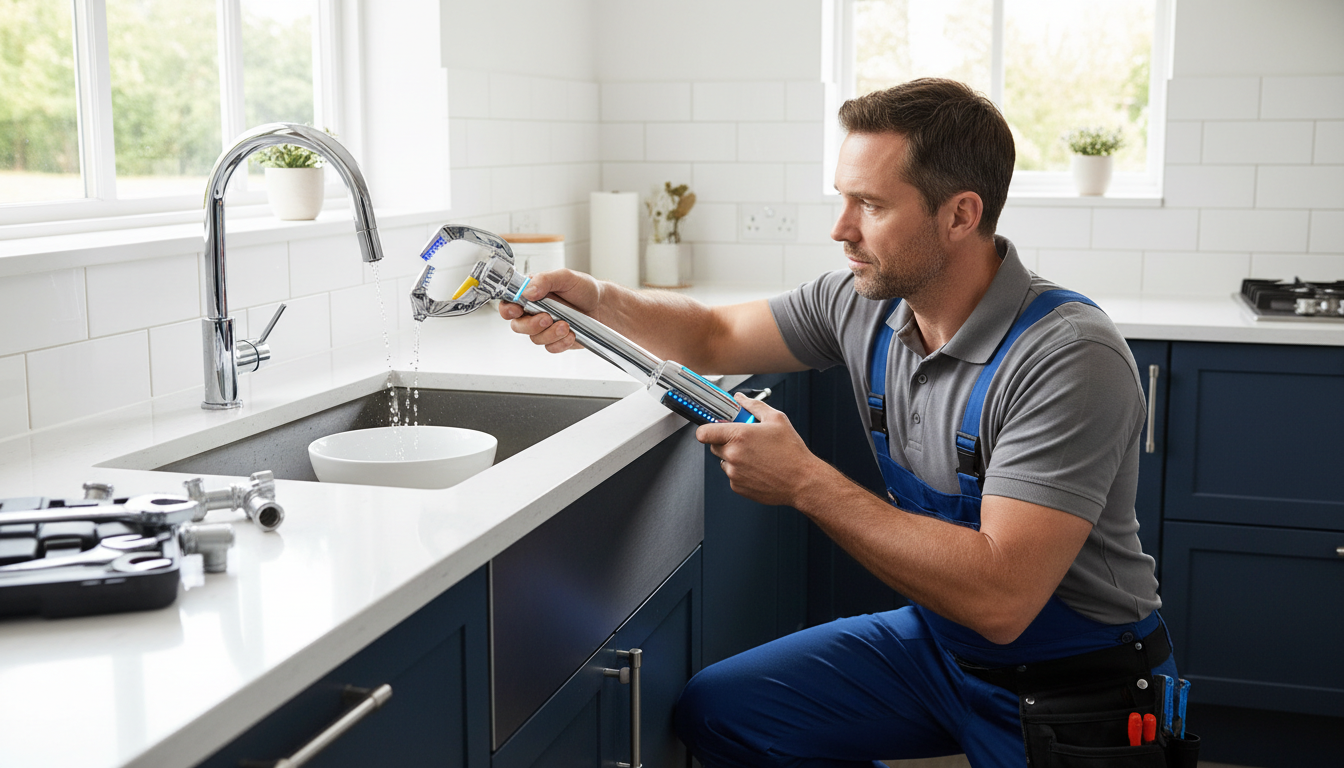
When a disposal stops working, it often emits a low humming sound or fails to respond to the switch entirely. This usually indicates that the internal circuit breaker has tripped or a small object has wedged the impellers. To address this, first look at the very bottom of the disposal unit under the sink. You will find a small red button, which serves as a reset switch. If the motor overheats or encounters too much resistance, this button pops out to protect the electrical system from burning out.
If you hear a hum but the unit does not grind, the motor is receiving power but is physically stuck. You must act quickly to prevent the motor from seizing. Follow these specific steps to resolve the issue safely:
Switch the wall power off and unplug the unit from the outlet. Never put your hands inside the unit, even if the power is off.
Locate the small, hexagonal hole in the center of the bottom of the unit.
Insert a 1/4 inch Allen wrench, also known as a hex wrench, into this hole. Rotate it back and forth firmly. This manually turns the motor shaft to dislodge whatever is causing the jam.
Once the shaft moves freely, remove the wrench and press the red reset button firmly until it clicks back into place.
Restore power and test the unit while running cold water.
If the unit continues to trip the breaker or the hum persists without movement, you likely need accurate diagnostics and efficient solutions to determine if the motor is damaged. While routine garbage disposal maintenance prevents most jams, persistent mechanical failure may require reliable professional plumbing services to restore your kitchen's drainage.
Disposal Myth-Busting: Do Eggshells Actually Sharpen Blades?
There is a persistent misconception that dropping eggshells into the sink is a form of proactive maintenance. The theory suggests that hard shells sharpen disposal blades, but this is fundamentally incorrect because residential units do not actually have blades. Instead, they utilize impellers, which are blunt metal lugs that spin on a plate to fling food waste against a stationary grind ring. Since there is no sharp edge to maintain, eggshells provide no mechanical benefit.
The sticky, thin membrane inside the shell is the real danger. These membranes can detach and wrap around the impeller assembly or adhere to the drain pipes, creating a surface that catches other debris and leads to clogs. Similarly, many homeowners assume that banana peels are safe because they are organic. In reality, banana peels are far too stringy for standard units. These long fibers act like twine, risking a motor jam that requires accurate diagnostics and efficient solutions to clear. Sticking to proven garbage disposal maintenance routines rather than following common myths keeps your kitchen functional and prevents the need for reliable professional plumbing services to fix an avoidable mechanical failure.
When to Call Gobes Plumbing for Professional Repair or Replacement

While consistent garbage disposal maintenance extends the life of your appliance, every unit eventually reaches a point where repairs are no longer cost-effective. One of the clearest indicators of terminal failure is water dripping from the very bottom of the disposal housing. This typically signifies that the internal seals have perished, allowing water to reach the motor. Because these seals are integrated into the unit's core, a replacement is often safer and more reliable than attempting a patch.
You should also seek professional assistance if the motor refuses to turn even after you have cleared jams with a hex wrench and attempted a reset. Frequent tripping of the reset button suggests the motor is struggling with internal electrical faults or failing bearings. Gobes Plumbing provides accurate diagnostics and efficient solutions to determine if a simple part replacement will suffice or if a new unit is necessary.
Our team ensures code-compliant installations for both residential and commercial kitchens in Fillmore, providing a long-term solution rather than a temporary fix. Professional installation guarantees that the mounting ring is secure and the dishwasher bypass is correctly knocked out, preventing future leaks or drainage backups. If your unit is showing signs of age or persistent mechanical failure, contact Gobes Plumbing today for reliable professional plumbing services that restore your kitchen's efficiency.
Maintaining your garbage disposal is a simple way to prevent clogs and avoid unnecessary repairs. By following these cleaning tips and being mindful of what goes down the drain, you can keep your kitchen running efficiently. However, if you want expert help or a professional inspection, you can read more About our services and our commitment to the Fillmore community. We are always here to help you keep your home's plumbing system in top shape.