Common causes of low water pressure in house include partially closed shutoff valves, failing pressure regulators, and mineral buildup or leaks in the plumbing system. Homeowners with wells may also face issues like clogged sediment filters, malfunctioning pressure switches, or failing pumps that require professional repair.
Imagine the frustration of turning on your shower after a long day in Fillmore, only to be met by a weak, inconsistent trickle instead of a steady flow. This common household nuisance is often a symptom of deeper issues within your plumbing system, ranging from mineral accumulation caused by local hard water to aging infrastructure in city lines or well pumps. Neglecting a drop in pressure can lead to inefficient appliance performance and potential pipe damage over time. In this guide, we provide a comprehensive look at why your water pressure might be failing. We will explore troubleshooting steps for both municipal and well-fed systems, examine the impact of freezing temperatures, and help you determine when it is time to call in a professional plumber to restore the comfort and functionality of your home.
Why Your Fillmore Home Has Low Water Pressure
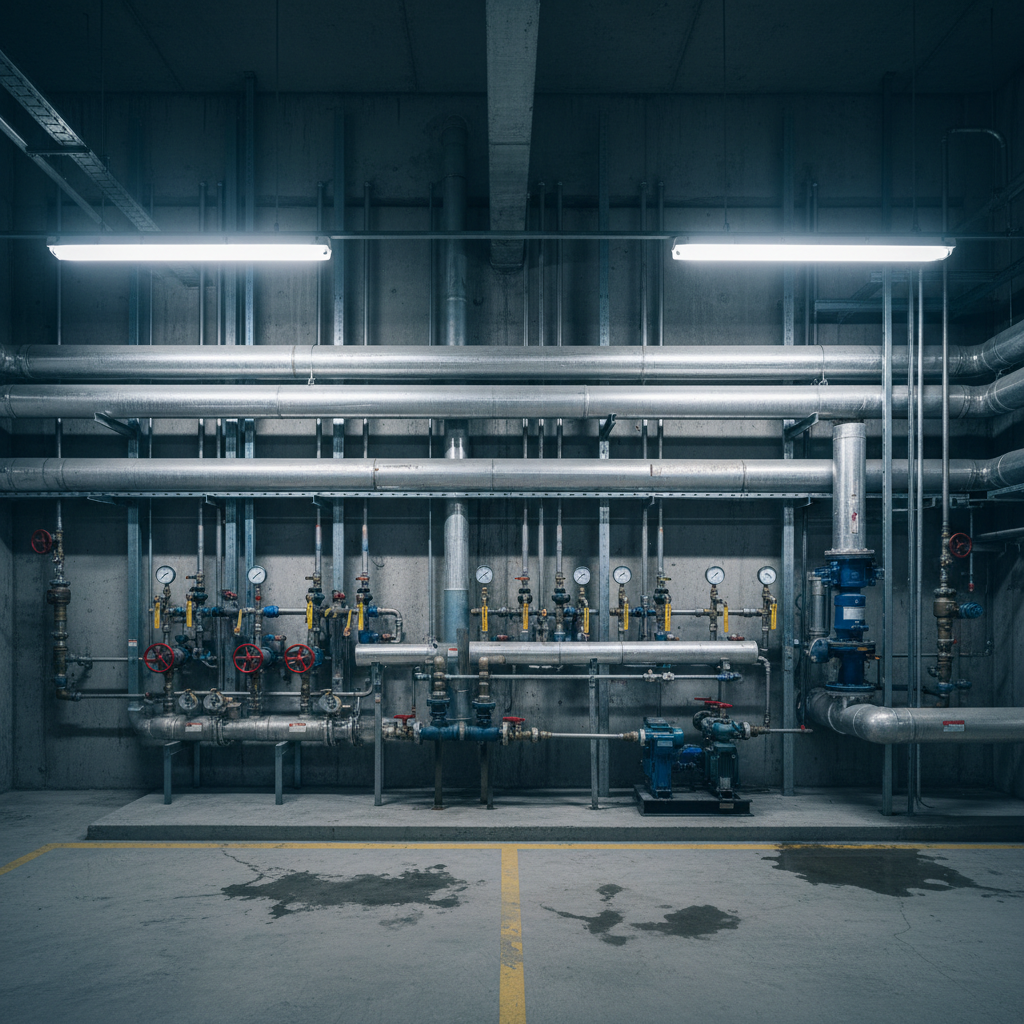
Dealing with low water pressure in house systems across Fillmore often comes down to your specific water source and how quickly the problem started. Because our local area includes both municipal connections and private rural wells, the diagnostic process varies. The first step is determining if the pressure loss happened instantly or if it has been a lingering issue.
A sudden, dramatic drop in pressure usually indicates a mechanical failure or a physical breach in the system. Common culprits for city users include a tripped main shutoff valve, a ruptured pipe, or a failed pressure regulator. For those on well systems in Millard County, a sudden loss of flow often points to a tripped breaker, a failed pressure switch, or a pump that has completely burned out.
In contrast, a gradual decline over months or years typically signals internal plumbing degradation. Fillmore is known for mineral-rich water, which contributes to significant scale buildup inside older galvanized steel or copper pipes. This sediment narrows the internal diameter of your plumbing, slowly choking off the flow to your fixtures. It can also indicate a well pump that is losing its efficiency due to age. Identifying which pattern your home follows is the first step in determining if you need professional plumbing services to restore your system to its peak efficiency and code compliance.
Common Causes of Low Water Pressure in City Water Systems
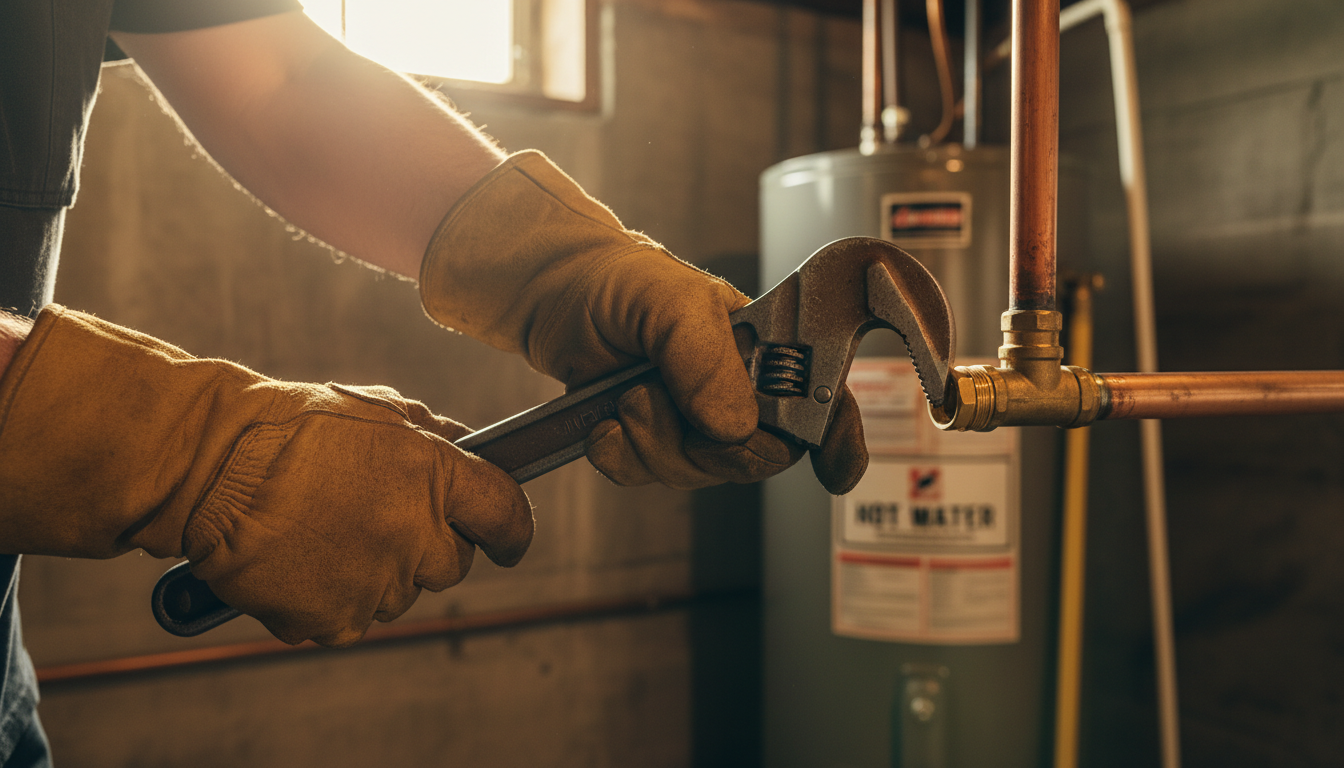
If your home is connected to the Fillmore municipal supply, the search for the cause of low water pressure in house systems usually begins at the main shutoff valve. This valve, typically located where the main line enters the home or near the water meter, must be fully open to allow maximum flow. It is surprisingly common for these valves to be accidentally bumped or partially closed during routine maintenance or while moving items in a basement or crawlspace. Even a slight turn can significantly restrict the volume of water reaching your fixtures.
Another frequent culprit in city homes is a failing Pressure Reducing Valve (PRV). This device is designed to step down the high pressure from the city mains to a safe level for your home plumbing. When a PRV fails, it often manifests as a sudden spike in pressure followed by a sharp drop, or it may simply stick in a position that keeps your home's pressure consistently below 40 psi. Standard residential pressure should ideally sit between 45 and 60 psi. If you notice these fluctuations, it is vital to address them to avoid stressing your appliances or protecting your home from hard water damage that can be exacerbated by poor flow control.
Before assuming the problem is internal, check with your neighbors on the same block. If multiple homes in your Fillmore neighborhood are experiencing the same issue, the cause is likely a water main break, hydrant flushing, or municipal maintenance. However, if the issue is isolated to your property and the valves are open, you may need professional plumbing services to test your regulator or inspect for hidden leaks.
Troubleshooting Low Water Pressure for Fillmore Well Systems
For rural properties in Millard County, troubleshooting low water pressure in house systems requires looking at the mechanics of the private well. Unlike city connections, well systems rely on a sequence of components that must work in harmony to maintain steady flow. When one part fails, the diagnostic process begins at the pressure switch and tank.
The pressure switch acts as the brain of the system, signaling the pump to start when pressure drops to a set point, usually 30 or 40 psi. If the electrical contacts are corroded or the sensing tube is clogged with sediment, the pump may not trigger at all or may lag, causing a noticeable dip in flow. A faulty pressure tank is another common culprit. If the internal bladder ruptures, the tank becomes waterlogged. You can often identify this by short cycling, where the pump clicks on and off every few seconds because there is no air cushion to maintain steady delivery. This constant cycling puts immense strain on the pump motor and can lead to premature failure.
When you can hear the pump running but still experience weak flow, the issue is often subterranean. A hole in the drop pipe, the line connecting the pump to the surface, allows pressurized water to spray back into the well casing before it ever reaches your home. Similarly, a check valve that is stuck partially closed or fouled with debris will restrict the volume of water moving through the line.
Component | Common Symptom | Likely Failure |
|---|---|---|
Pressure Switch | No water or delayed start | Corroded contacts or clogged nipple |
Pressure Tank | Rapid pump cycling (on/off) | Ruptured bladder (waterlogged) |
Well Pump | Consistent low volume | Worn impellers or undersized motor |
Drop Pipe | Pump runs but pressure stays low | Pinhole leak or cracked fitting |
If the pump is reaching its end of life or was originally undersized for the property, it may struggle to meet the demand of multiple fixtures. Because these systems involve high voltage electricity and pressurized vessels, these repairs should be handled by those providing professional plumbing services to ensure safety and code compliance. If you suspect your well components are failing, you can contact Gobes Plumbing for a comprehensive system evaluation.
The Impact of Fillmore Hard Water on Pipe Pressure
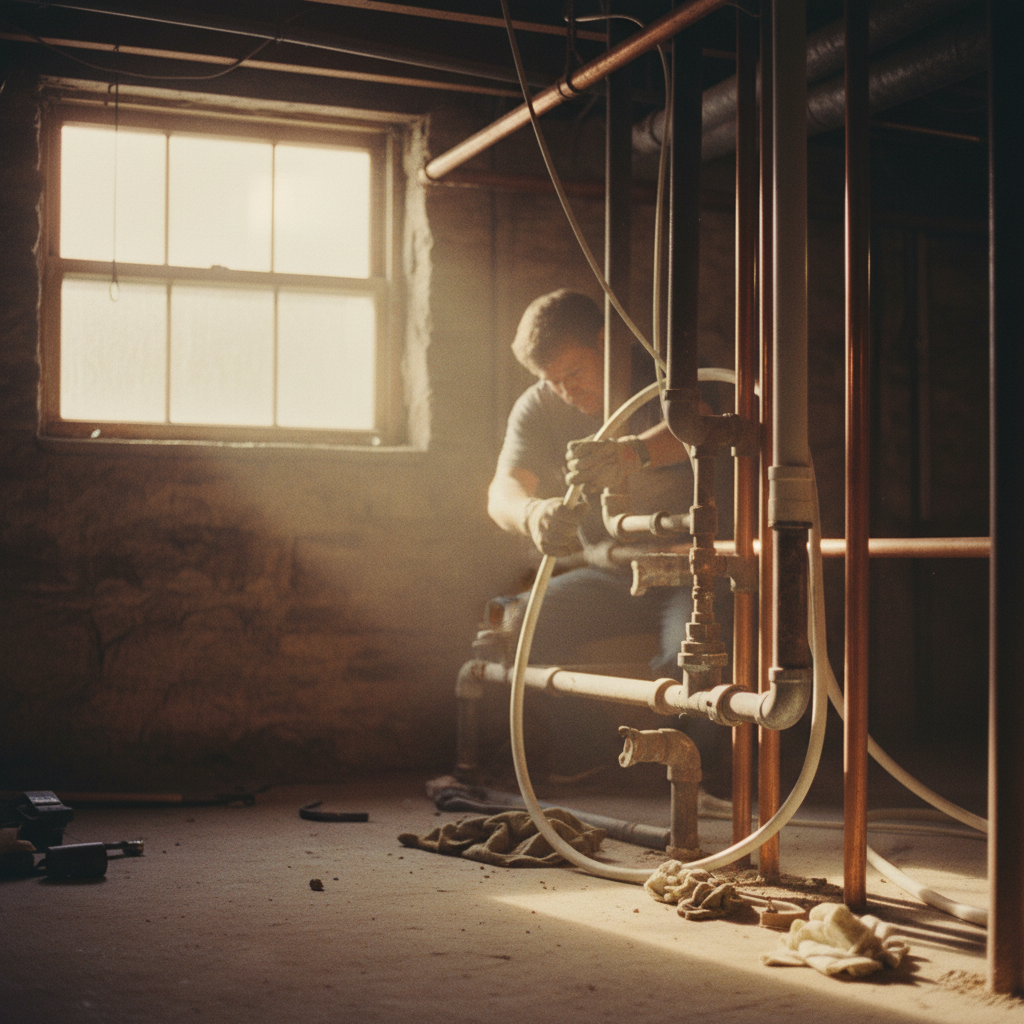
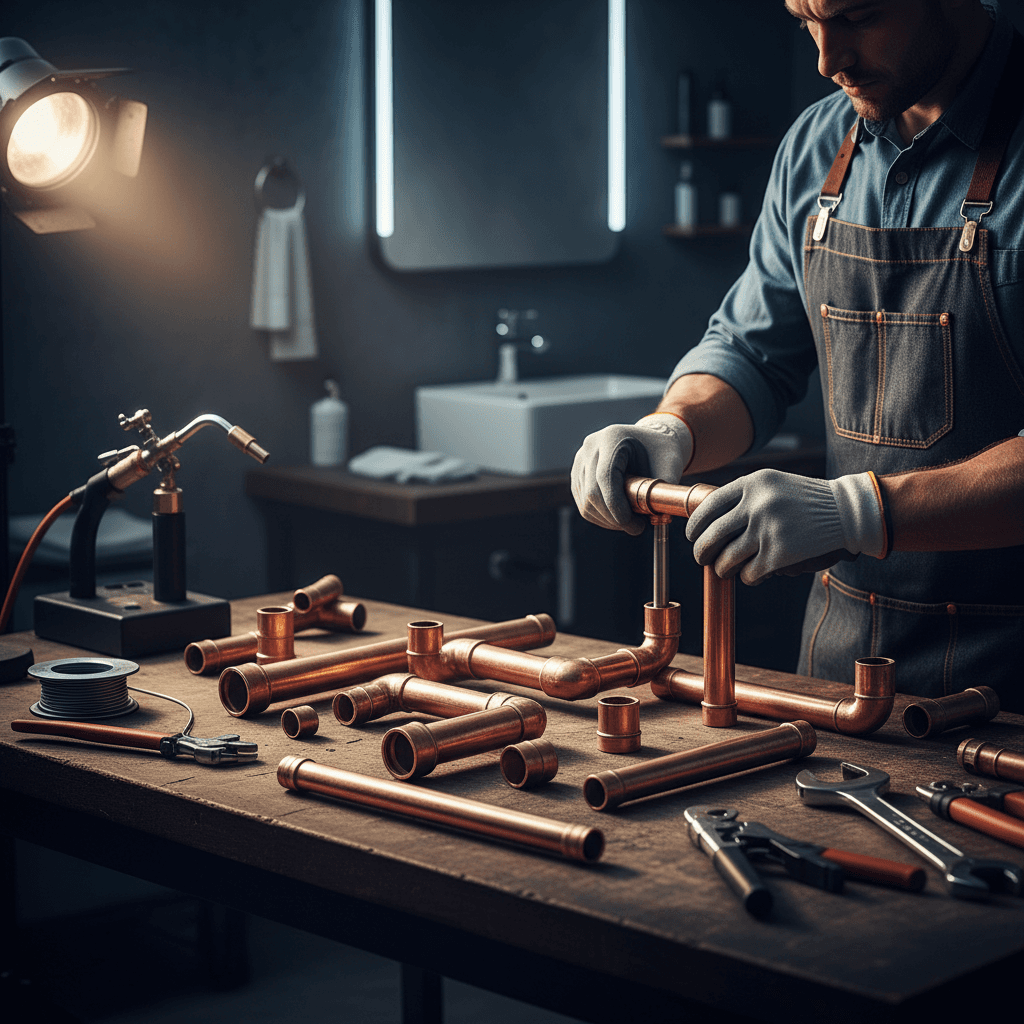
Fillmore residents often deal with some of the hardest water in Millard County. Over decades, calcium and magnesium deposits bond to the interior walls of your plumbing, creating a phenomenon known as scale buildup. In older homes equipped with galvanized steel pipes, this mineral scale reacts with the metal to create a thick, crusty interior that significantly narrows the water’s path. Even older copper pipes are not immune to this calcification. As the effective diameter of the pipe shrinks, the volume of water reaching your fixtures decreases, leading to a frustratingly slow decline in low water pressure in house systems.
Upgrading to PEX or modern copper lines is a common way to restore flow, as PEX resists scale buildup much better than traditional metal materials. However, even with modern pipes, hard water affects your system at the point of use. Fine sediment and mineral flakes frequently break loose and lodge themselves in faucet aerators or showerheads, mimicking the symptoms of a larger supply issue. If you use a whole house filtration system, the media or cartridges can become prematurely saturated with local sediment, creating a bottleneck for the entire property. Regularly flushing your water heater and inspecting these filters are essential steps in protecting your home from hard water damage. When internal scaling becomes severe, professional plumbing services are often necessary to repipe restricted sections and restore dependable water flow.
Why Did My Water Pressure Suddenly Drop in the House?
Unlike the slow accumulation of minerals, a sudden loss of low water pressure in house systems usually indicates a discrete failure that requires immediate attention. If your flow disappears instantly, the first check should be your power supply and local environment. For properties on private wells, a tripped breaker or a power surge often shuts down the pump without warning. If the pump continues to run but the pressure eventually dies out, it may indicate a failing motor or a well that is struggling to keep up with peak summer demand in Millard County.
Large scale leaks are equally disruptive. An irrigation line burst or a malfunctioning automatic sprinkler valve can divert a massive volume of water, leaving your indoor fixtures with almost no flow. In these cases, the pressure drop is localized to the house because the water is escaping into the ground before it reaches your plumbing manifold. Inside the home, a sudden drop could signal a ruptured pipe in a crawlspace or utility room. If you notice damp spots or the sound of running water when all taps are closed, you need professional plumbing services to locate the breach. Fast action is the best way of protecting your home from hard water damage and structural rot. If you cannot find the source of the drop, contact Gobes Plumbing for a diagnostic inspection.
Fixing Pressure Issues in Specific Fixtures: Shower and Sinks
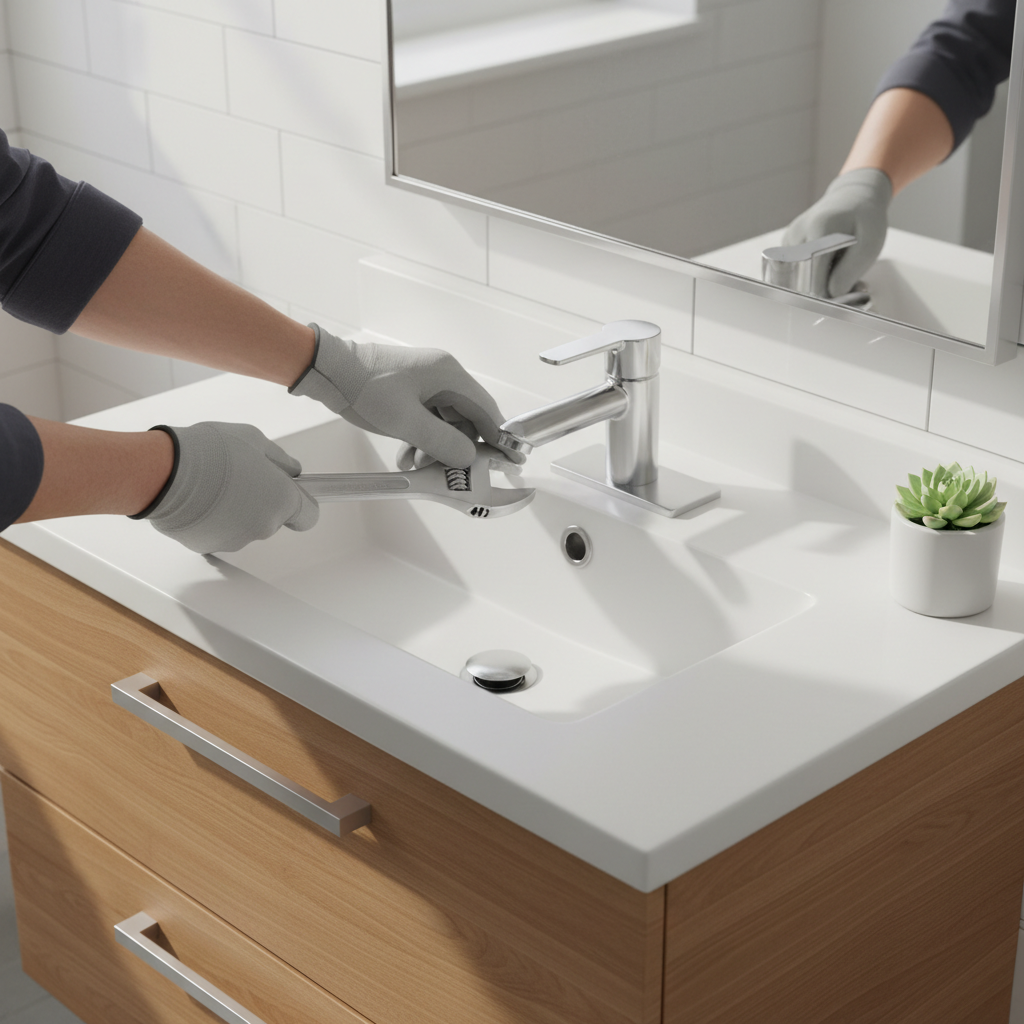
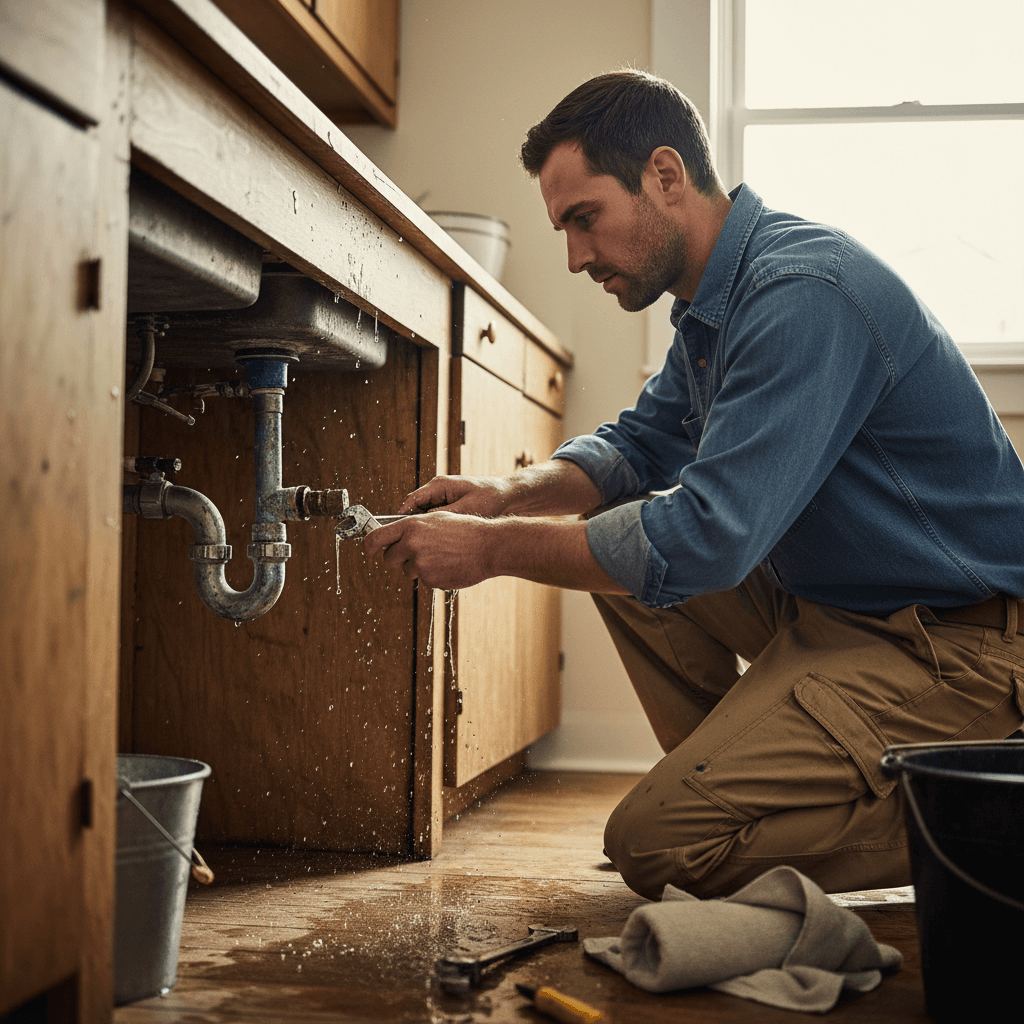
If you notice that the kitchen faucet has a strong stream but your master bathroom shower is barely a trickle, the problem is not your main supply. Localized low water pressure in house fixtures usually points to a blockage at the point of use. For sinks, the most common culprit is the aerator. In Fillmore, mineral sediment often breaks loose and gets trapped in the fine mesh screen at the tip of the faucet. You can usually unscrew these by hand or with a pair of pliers and soak them in white vinegar to dissolve the scale. This is a simple, effective step in protecting your home from hard water damage.
If a showerhead remains weak after cleaning the nozzles, the internal mixing valve or cartridge might be the issue. These components balance hot and cold water, and their narrow ports are easily obstructed by grit or calcium buildup. Replacing a cartridge involves shutting off the water and removing the handle assembly to swap out the worn part. If the flow remains restricted after these checks, professional plumbing services can help identify if the obstruction is located deeper in the specific supply line. For complex fixture repairs, you can contact Gobes Plumbing to ensure a proper, leak-free installation.
Winter Plumbing: Why Pressure Drops When It Gets Cold
During Utah’s harsh winters, low water pressure in house systems is often a precursor to a more serious emergency. When temperatures drop below zero, water inside exposed pipes begins to crystallize, creating a slushy ice blockage that significantly restricts flow before the line solidifies completely and bursts. Unlike a mineral clog, this restriction happens rapidly during a cold snap.
Fillmore residents should pay close attention to plumbing located in unheated crawlspaces, rim joists, or along north facing exterior walls. If a faucet suddenly slows down while outdoor temperatures are plummeting, it is likely a sign of a partial freeze. To locate these vulnerable spots, inspect your basement for pipes that feel ice-cold to the touch or show visible frost on the exterior. Thawing these sections carefully with a space heater or heat tape can prevent a catastrophic flood. If you notice a persistent drop in pressure following a freezing night, utilizing professional plumbing services to inspect and properly insulate these lines is a critical step in protecting your home from hard water damage and structural water loss.
When to Call a Professional for Low Water Pressure
Identifying a freeze or cleaning a faucet aerator is a manageable task, but resolving complex failures in a pressure regulator or well pump requires specialized expertise. Resolving low water pressure in house systems often involves navigating significant safety risks. For rural Fillmore properties, well systems pose particular dangers because they integrate 220-volt electrical circuits with high-pressure storage tanks. Attempting to adjust a pressure switch or replace a pump without the proper training can lead to severe electrical shock or physical injury from a failing pressure vessel.
Incorrect DIY repairs can also inadvertently cause more damage. For instance, improperly adjusting a Pressure Reducing Valve can lead to excessive system pressure, which risks pipe bursts and appliance failure. Gobes Plumbing provides professional plumbing services to ensure every repair is performed safely and remains fully code-compliant. We focus on protecting your home from hard water damage by using accurate diagnostics rather than guesswork. If basic troubleshooting does not restore your flow, contact Gobes Plumbing for an honest assessment and a long-term solution that protects your property.
Managing low water pressure can be a complex task, whether your home relies on a private well or the Fillmore City water supply. Identifying the root cause is essential for a lasting fix and consistent water flow. If you want expert help resolving your plumbing issues, our local team is available to provide a professional assessment. You can learn more about our values and our dedication to the community on our about page. We are happy to help you get your home back to normal.