A toilet typically runs because of a worn-out flapper seal, an incorrect float height, or a faulty fill valve. Most running toilet repair projects require turning off the water supply and replacing these specific internal components to restore the tank seal. This simple process stops water waste and eliminates the constant sound of a cycling tank.
The sound of a running toilet at midnight is more than a minor household annoyance; it is the sound of money literally flowing down the drain. While many homeowners ignore that persistent trickle, a single leaking fixture can waste hundreds of gallons of water per day, leading to spiked utility bills and unnecessary wear on your plumbing system. In Fillmore, addressing these issues promptly is essential for maintaining a functional and efficient home. This guide will walk you through the primary causes of a running toilet, including faulty flappers and misaligned fill valves. You will discover quick diagnostic steps you can perform in seconds, understand why basic repair kits often fall short, and learn when it is time to call a professional. Whether you are managing a residential bathroom or a commercial facility, these insights will help you stop the waste and protect your property.
The Real Cost of Ignoring a Running Toilet in Fillmore
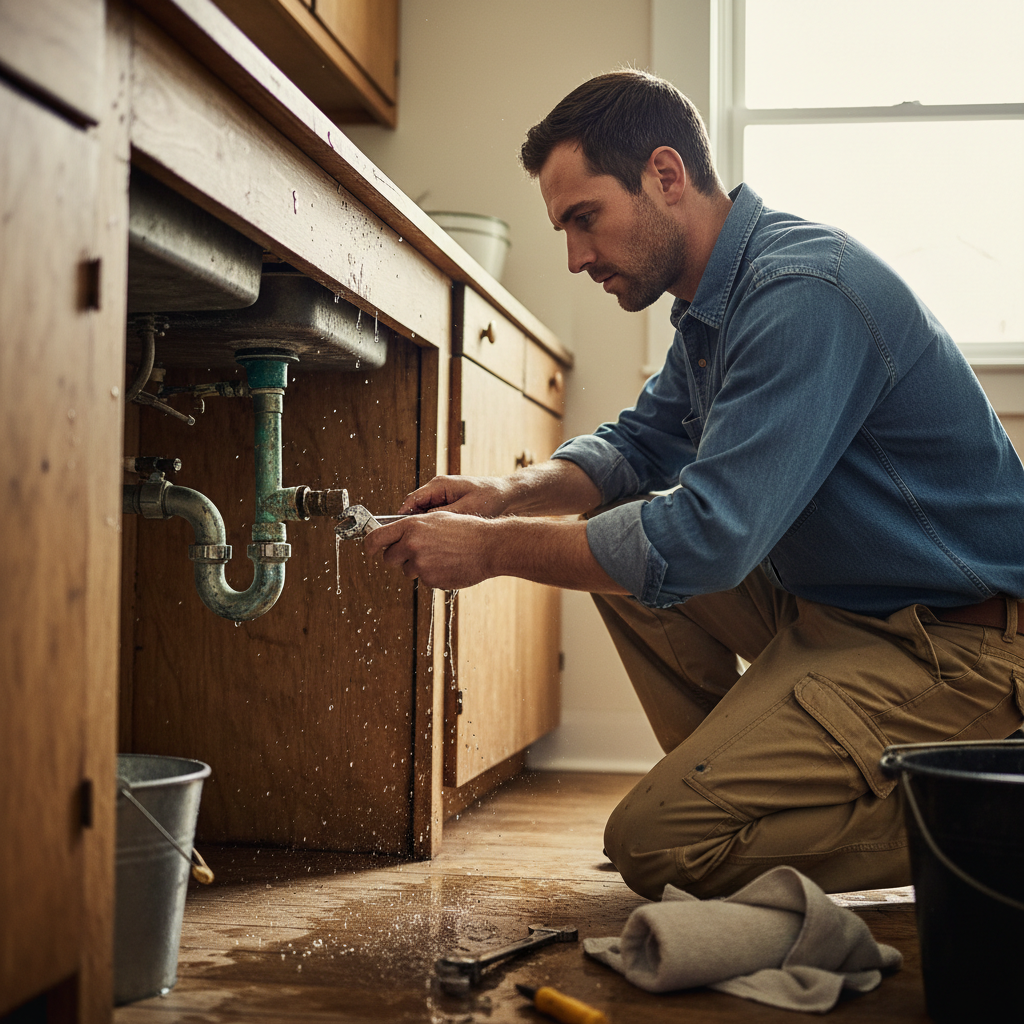
That faint, persistent trickling sound coming from the bathroom at 2:00 AM is more than just a minor annoyance that keeps you awake. It is the sound of your hard earned money flowing directly into the sewer. While many homeowners in Fillmore view a running toilet as a low priority project, the hidden costs accumulate rapidly. According to data from American Home Shield, a single running toilet can waste as much as 6,000 gallons of water every month.
In our high desert climate here in Millard County, water conservation is a critical responsibility for every property owner. Residents of Fillmore understand that water is a finite resource; wasting thousands of gallons due to a faulty flapper or fill valve is an ecological burden we cannot afford. Beyond the environmental impact, this volume of wasted water significantly inflates your monthly utility bill. A running toilet acts as a constant, silent drain on your household or business budget.
Securing reliable professional plumbing services is the most effective way to stop this financial leak. At Gobes Plumbing, we prioritize accurate diagnostics to ensure your plumbing system operates efficiently. Ignoring the problem does not make it go away; it only ensures that your next water bill will be higher than necessary. Addressing a running toilet promptly protects both your property and your wallet.
What is the Most Common Cause of a Constantly Running Toilet?
The primary reason for a running toilet is almost always a faulty flapper valve. In about 80% of the service calls we handle in Fillmore, this small rubber seal at the bottom of the tank is the source of the trouble. To understand the mechanics, think of your toilet tank as a simple balancing act between the fill valve, the flapper, and the overflow tube.
The flapper acts as a stopper. When you flush, it lifts to release water into the bowl and then drops back down to reseal the tank. The fill valve is responsible for refilling the tank to a specific level, while the overflow tube serves as a safety drain to prevent the tank from flooding your bathroom if the fill valve fails to shut off. When the flapper becomes warped, dirty, or brittle, it can no longer maintain a watertight seal.
In our region, mineral content in the water can lead to buildup on the flapper or the seat it rests on. This prevents the rubber from seating properly, allowing a steady trickle of water to escape. We often categorize these issues into two types: a constant run and phantom flushing. Phantom flushing happens when the toilet runs for a few seconds every ten or twenty minutes. This indicates a slow leak where the tank is refilling just enough to replace what leaked past the flapper. A constant run usually suggests the water level is too high, causing it to pour continuously into the overflow tube, or the fill valve is completely worn out.
If you are tired of hearing that water waste, you can contact our expert team to identify the exact component failing in your system. Identifying whether the issue is a simple seal failure or a mechanical misalignment is the first step toward a permanent running toilet repair.
Top 4 Reasons for a Running Toilet and How They Are Diagnosed
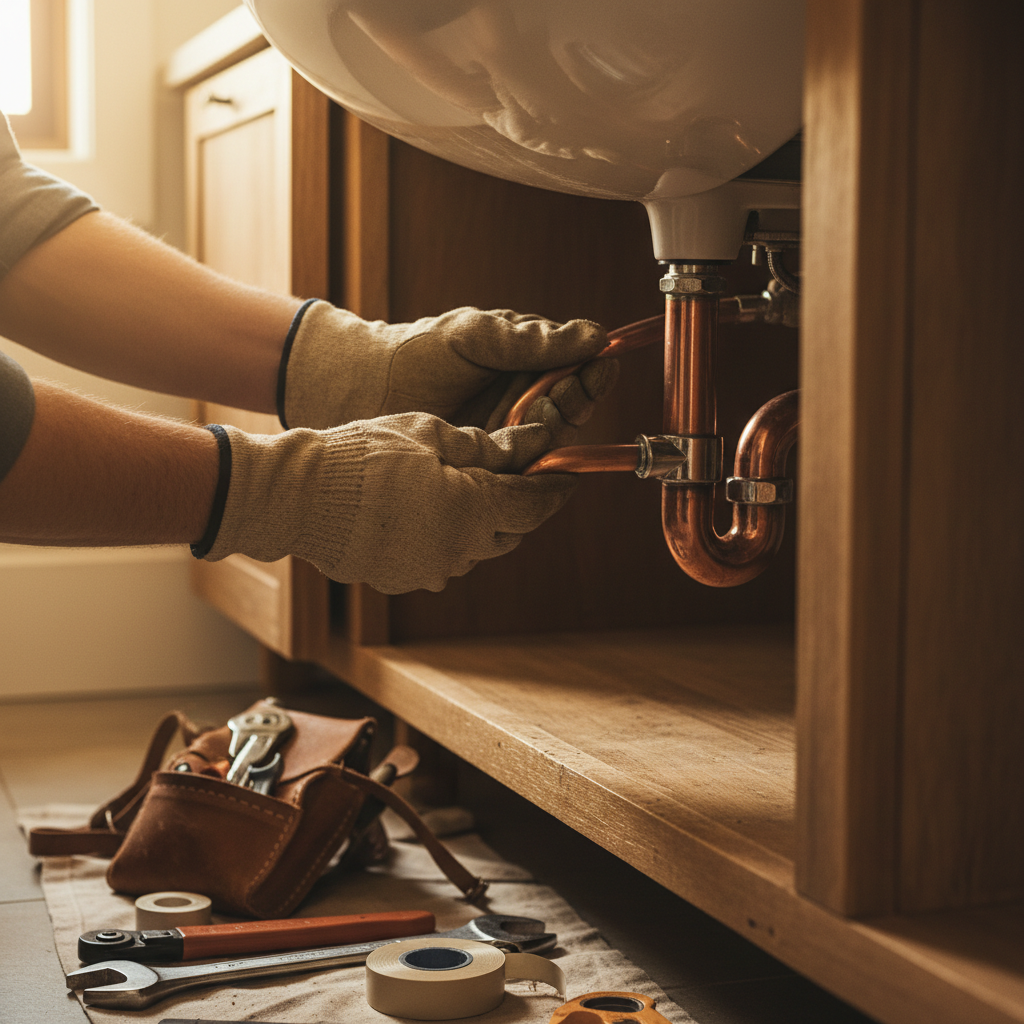
To accurately diagnose the source of the problem, you must first remove the tank lid and observe the components in action. Professional running toilet repair starts with a visual inspection of the internal mechanics while the tank is full and again during a flush cycle. By understanding what to look for, you can determine if the fix is a simple adjustment or if it requires a component replacement.
### Worn Out Flapper (the seal) The flapper is the most frequent point of failure. Over time, the rubber becomes brittle or develops a layer of mineral scale from Fillmore’s local water supply. To diagnose this, look at the flapper while the tank is full. If you see ripples in the water or hear a faint trickling, the seal is compromised. You can also perform a tactile test by touching the flapper; if black residue rubs off on your fingers, the rubber has disintegrated and can no longer hold a watertight seal. In this state, the flapper must be replaced to restore efficiency.
### Improper Chain Length (too tight or too loose) The lift chain connects the flush lever to the flapper. If the chain is too short, it will pull the flapper up slightly, never allowing it to seat fully. If it is too long, the excess links can become tangled or caught underneath the flapper as it closes, creating a gap for water to escape. Look for a chain that has about half an inch of slack. If you see the chain taut or bunched up under the rubber seal, you have found your culprit.
### Faulty Fill Valve (refill issues) The fill valve is the tall assembly usually located on the left side of the tank. Its job is to bring water back into the tank after a flush. If you hear a constant hissing or a high-pitched whistle even when the tank appears full, the fill valve likely has internal debris or a failed seal. If the valve continues to leak water into the tank despite the float being in the "up" position, the assembly has reached the end of its lifespan. You can learn more about Gobes Plumbing and how we handle these mechanical failures with professional-grade replacements.
### Incorrect Float Height (water spilling into the overflow tube) Every toilet has an overflow tube, which is the open pipe in the center of the tank. The water level should typically sit about one inch below the top of this tube. If the float is set too high, the fill valve will continue to pump water until it spills over the top of the tube and down into the bowl. This creates a continuous loop of water waste. You can diagnose this by checking if the water level is flush with the top of the overflow pipe. If it is, the float needs to be lowered to shut the valve off sooner.
The DIY Running Toilet Repair: What You Can Try in 60 Seconds
Before scheduling a professional running toilet repair, you can perform three rapid checks that often resolve the issue in under a minute. Start by jiggling the flush handle. If the internal lever arm or the handle itself is sticking, the flapper will remain suspended, allowing water to flow continuously. A simple adjustment to the mounting nut behind the handle, located inside the tank, usually fixes this mechanical hang-up.
Next, look inside the tank at the lift chain. It is common for links to become snagged on the overflow tube or tangled around the handle arm. Straightening a knotted chain takes only seconds and restores the necessary slack for the flapper to drop back into place. Finally, use a clean cloth to wipe the underside of the flapper and the rim of the flush valve seat. In Fillmore, mineral deposits often accumulate on these rubber and plastic surfaces, creating tiny gaps in the seal. Removing this grit can stop a leak instantly. If these quick fixes do not stop the noise, you may need to contact our expert team for a more technical component replacement.
Why Running Toilet Repair Kits Are Not Always the Answer
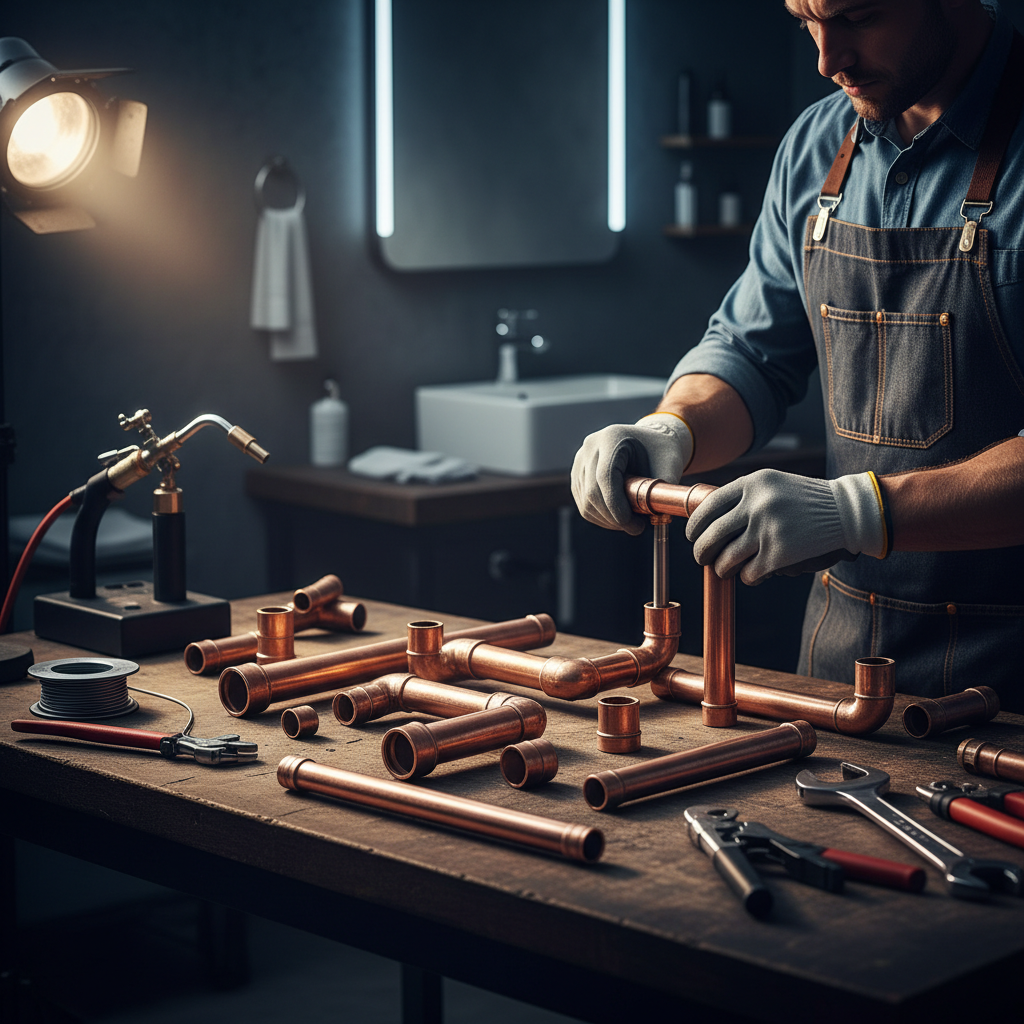
When immediate adjustments do not resolve the issue, many property owners reach for a universal running toilet repair kit. While big box stores market these as a one-size-fits-all solution, they rarely provide a perfect seal for specialty brands. Performing a kohler toilet running repair or servicing a TOTO fixture with generic parts often leads to persistent leaks because the flush valve geometries are unique to those manufacturers.
Beyond fitment issues, retail kits often consist of lightweight plastic and thin rubber that degrade quickly. At Gobes Plumbing, we prioritize exact-match components and professional-grade parts that offer superior durability compared to standard hardware store options. High-quality rubber compounds are necessary to withstand the specific mineral profile of local water in Fillmore.
Using the wrong parts or misaligning a universal valve also increases the risk of a catastrophic leak. A cross-threaded connection or an improperly secured supply line can easily lead to a flooded bathroom, causing far more damage than the initial leak. Choosing reliable professional plumbing services ensures that every running toilet repair is completed with high-quality components and precise installation, providing a long-term fix rather than a temporary patch.
When to Call a Professional for Running Toilet Repair
While minor adjustments solve many common issues, certain signs indicate a deeper mechanical or structural problem that requires specialized expertise. If you notice any cracks in the porcelain of the tank or the bowl, stop immediately. Cracked porcelain is a structural failure that can lead to sudden, catastrophic flooding; it cannot be patched or ignored. Similarly, if you see water pooling around the base of the toilet or dripping from the mounting bolts under the tank, the wax ring or tank-to-bowl gaskets likely require professional replacement.
Another critical point for professional intervention involves the shut-off valve. If the valve is stuck, leaking, or fails to stop the water flow entirely when turned, you need reliable professional plumbing services to replace the hardware without risking a pipe burst. Furthermore, if you have already replaced the flapper and fill valve but the running persists, the issue may lie in a damaged flush valve seat or high water pressure entering the home. At Gobes Plumbing, we perform a comprehensive system check to identify these underlying variables. You can contact our expert team to ensure the root cause is addressed correctly. Our goal is to provide a long term fix that prevents the cycle of repeated, failed DIY repairs and ensures your running toilet repair is done right the first time.
Commercial Toilet Repair vs Residential Solutions
Commercial properties in Fillmore, such as local retail shops or office buildings, typically utilize flushometer valves rather than the gravity-fed tanks found in homes. These high-pressure systems operate without a flapper or float, relying instead on a diaphragm or a piston assembly to regulate water flow. When a commercial unit fails, the symptoms differ from residential models. You might notice a "ghost flush" or a continuous stream because the tiny bypass orifice in the diaphragm is clogged with mineral scale or the rubber has lost its elasticity.
Repairing these systems requires specialized tools like spud wrenches and smooth-jawed pliers to protect the chrome finish. Because commercial plumbing operates under higher pressure, a mistake during a running toilet repair can lead to immediate water damage or a valve that remains open. If your business is losing money to a malfunctioning high-traffic restroom, contact our expert team for reliable professional plumbing services. We understand the specific mechanics of commercial diaphragms and can restore your facility’s efficiency without disrupting your operations.
A running toilet is often a simple fix once you know which components to check, but leaving the issue unresolved can lead to high water bills. While basic maintenance can handle most leaks, some repairs require a more technical approach to prevent future damage. If you want expert help with your next repair, you can learn more about Gobes Plumbing and how we serve our community. We are always available to help you keep your home running smoothly.