Effective winter plumbing preparation Utah requires insulating pipes in unheated spaces, disconnecting outdoor hoses, and shutting off exterior water valves. Homeowners should also leave a small trickle of water running during extreme cold snaps to prevent frozen pipes from bursting; additionally, maintaining a consistent indoor temperature helps protect vulnerable plumbing.
As the temperatures begin to drop in Fillmore, Utah, the threat of frozen pipes and costly water damage becomes a reality for many homeowners. There is nothing more stressful than waking up to a burst pipe during a January cold snap, especially when a few simple steps in the fall could have prevented the disaster. At Gobes Plumbing, we understand that proactive maintenance is the key to protecting your investment and ensuring your home remains a sanctuary during the harsh winter months. This guide provides a comprehensive roadmap for securing your plumbing system before the first hard freeze. You will learn how to winterize your outdoor fixtures, identify vulnerable pipes in unheated spaces, and perform essential water heater maintenance. We also cover critical safety measures like locating your main shut off valve and managing thermostat settings to keep your water flowing smoothly all season long.
Why Fall is the Critical Window for Utah Plumbing Maintenance
In Fillmore, the transition from fall to winter happens rapidly. Residents of Millard County know that while October might start with mild afternoons, temperatures can plummet well below freezing by late October and throughout November. This period is the critical window for winter plumbing preparation Utah homeowners must prioritize. Waiting until a blizzard hits to check your pipes is a gamble that often leads to costly emergency calls.
The physics behind a burst pipe is simple yet destructive. Water is one of the few substances that expands as it freezes. When water remains trapped in an exterior faucet or an uninsulated line, the pressure generated by this expansion can exceed the structural limits of the pipe itself. Even a small hairline fracture can lead to significant flooding once the ice thaws, resulting in thousands of dollars in water damage to subfloors and drywall.
At Gobes Plumbing, we advocate for a proactive approach. By performing maintenance while the ground is still workable and the air is relatively warm, you ensure your home is resilient against the sudden cold snaps common in our high desert climate. Taking these steps now provides the reliable professional plumbing services and peace of mind needed to avoid the stress of a mid-winter pipe failure. Proper preparation is the most effective way to protect your property and ensure consistent water flow all season long.
The Outdoor Checklist: Securing Your Home Exterior
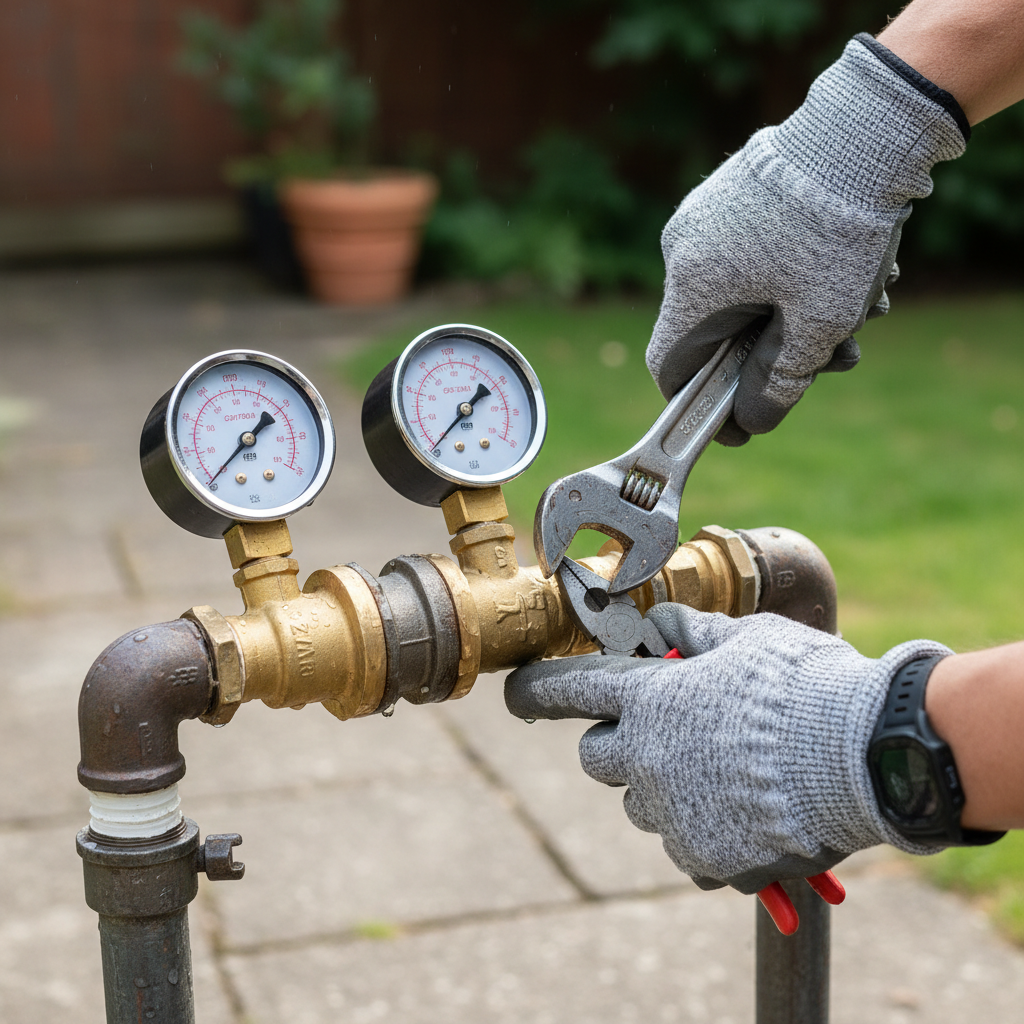
Securing the exterior of your property is the first line of defense against the freezing winters in Millard County. The most common cause of preventable water damage we encounter involves a simple garden hose left connected to an outdoor spigot. Many homeowners assume that frost-proof hose bibs provide total protection, but this is a dangerous misconception. A connected hose traps water inside the faucet assembly, preventing the safety valve from draining. This trapped water freezes and expands back into the wall of the house, often splitting the pipe. The leak usually remains hidden until the first warm day of spring when the ice thaws, leading to immediate flooding inside your walls or basement.
Sprinkler systems are equally vulnerable. In Fillmore, the frost line can reach deep into the soil, and any water remaining in PVC or poly lines will eventually crack the pipe or shatter the valve manifolds. Blowing out your sprinkler lines with pressurized air is the only way to ensure the system is completely void of moisture. This task is a vital component of winter plumbing preparation Utah residents must complete before the first hard freeze in November. Failing to clear these lines is a common oversight that leads to expensive landscape repairs.
To properly secure your outdoor spigots, follow this professional procedure: 1. Locate the interior shut-off valves for each outdoor faucet. These are typically found in the basement, crawl space, or near the water heater. 2. Turn the valve handle clockwise until it is tightly closed. Newer homes often use lever-style ball valves, while older homes may have circular gate valves. 3. Go outside, disconnect all garden hoses, and open the exterior faucet fully. 4. Leave the faucet open until the water stops dripping, then close it for the season to prevent pests from entering the pipe.
If you discover a valve that is stuck or difficult to turn, do not use excessive force, as this can snap the stem. Instead, contact Gobes Plumbing to ensure the valve is serviced without causing a leak. You can learn more about our team in Fillmore and how we help local families maintain their systems through reliable professional plumbing services tailored to the Utah climate.
Insulating Vulnerable Pipes in Unheated Spaces
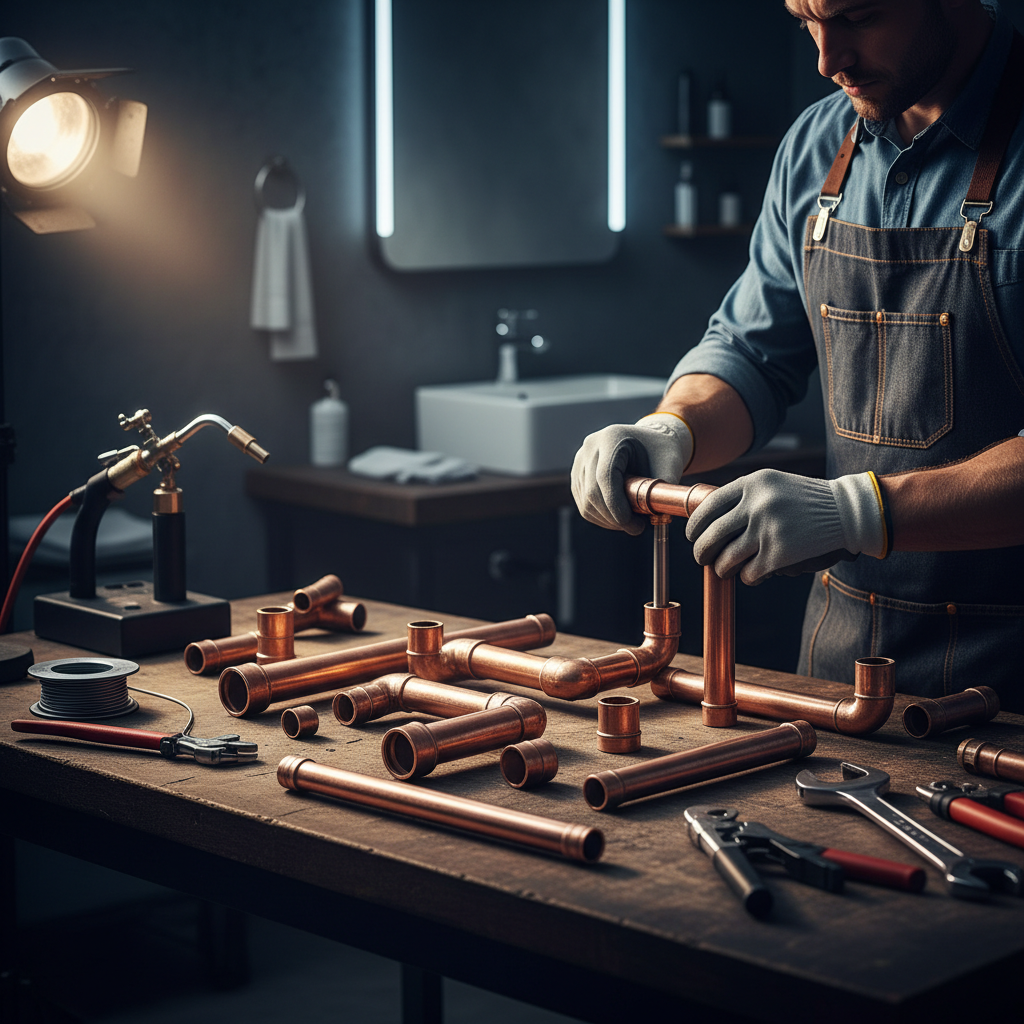
Once the exterior is secured, focus on the interior transition zones. In typical Fillmore properties, pipes running through crawl spaces, unheated garages, and attics are most at risk during a deep freeze. Because these areas lack climate control, the ambient air temperature can drop below freezing even if your living room is warm. In Millard County, older homes with vented crawl spaces are particularly susceptible to wind chill, which can pull heat away from pipes faster than still air.
It is important to understand that insulation does not generate heat; rather, it acts as a thermal barrier that slows the rate of heat loss from the water inside the pipe. By trapping the heat currently in the water, you buy yourself more time during a cold snap before the liquid reaches its freezing point. For most residential applications, we recommend pre-slit polyethylene foam pipe sleeves. They are inexpensive and easy to install. For pipes in exceptionally cold or drafty crawl spaces, consider self-regulating heat tape, which provides a controlled amount of warmth when temperatures drop.
Pro Tip: A common mistake is leaving gaps at the joints. When you reach a 90-degree elbow or a T-fitting, the insulation must be mitered or carefully fitted to ensure the metal or plastic pipe is not exposed. Use high-quality duct tape or specialized insulation tape to seal every seam and butt-joint snugly. These gaps are often the primary points of failure where the freeze starts. If you are unsure about the condition of your existing insulation, our team provides reliable professional plumbing services to audit your home’s vulnerabilities. This is a foundational part of winter plumbing preparation Utah homeowners should complete before the first major storm hits.
Water Heater Health: Maintenance Before the Cold Snap
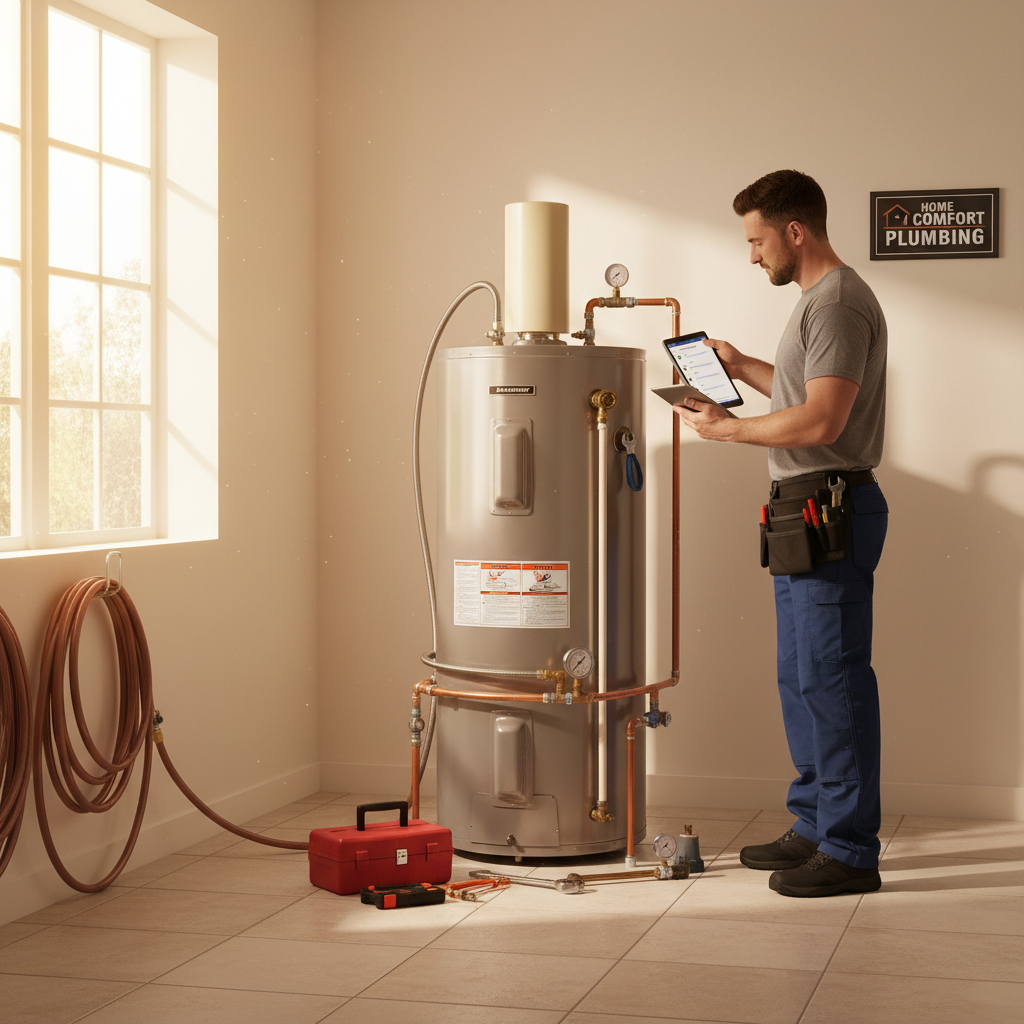
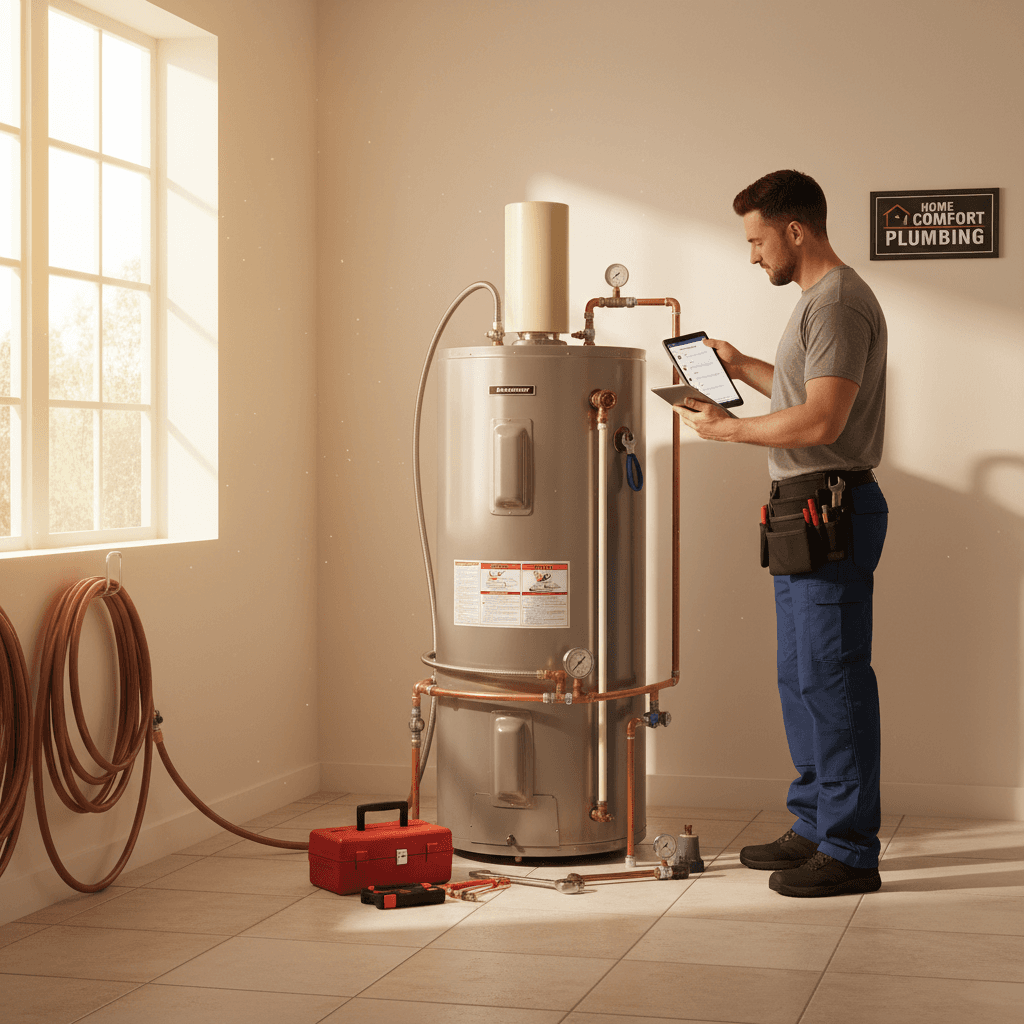
While insulating pipes prevents bursts, your water heater is the engine that keeps your home functional during a Millard County winter. In Fillmore, incoming water temperatures from the municipal supply drop significantly as the ground cools. This means your unit must work harder and run longer to reach your desired thermostat set point compared to the summer months. To ensure the unit can handle this increased demand, flushing the tank is a vital step for winter plumbing preparation Utah homeowners often overlook.
Sediment, consisting of minerals like calcium and magnesium, naturally accumulates at the bottom of the tank over time. This layer acts as an insulator, forcing the burner or heating element to work through a thick crust before it can heat the water above it. This inefficiency leads to higher utility bills and eventually causes the tank bottom to overheat and weaken. A full flush clears this debris, restoring efficiency and extending the life of the appliance.
During this maintenance, you should also inspect the anode rod. This sacrificial component attracts corrosive elements in the water to itself to protect the steel tank from rusting through. If the rod is significantly degraded, the tank itself becomes the target of corrosion. Finally, test the temperature and pressure relief valve by briefly lifting the lever. It should release a burst of water and then seal tightly. If it drips or remains stuck, the valve must be replaced to prevent dangerous pressure buildup. A water heater breakdown in the middle of January is far more than a minor inconvenience; it can compromise your home's comfort and hygiene when outdoor temperatures are at their most extreme. If you notice popping sounds or a decrease in hot water duration, contact Gobes Plumbing for reliable professional plumbing services before the deep freeze arrives.
Locating Your Main Water Shut Off Valve
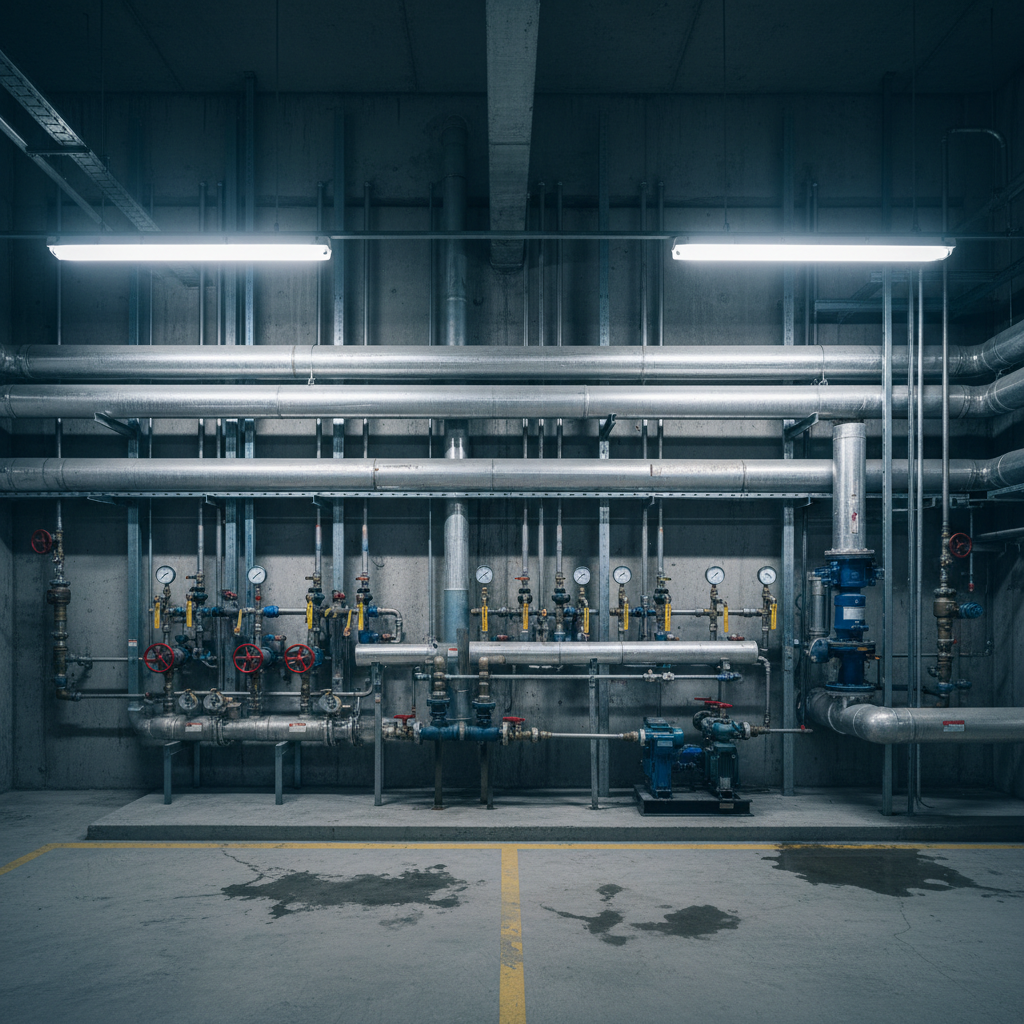
Knowing the exact location of your main water shut-off valve is a fundamental part of winter plumbing preparation Utah homeowners must prioritize. In an emergency, such as a burst pipe during a deep freeze, searching for this valve under stress can result in thousands of dollars in additional water damage. In most Fillmore residences, the main shut-off is located in the basement or utility room, typically on the wall facing the street where the water line enters the foundation. If your home is built on a slab or has a crawl space, look near the water heater or the water meter assembly.
Every adult and teenager in the household should be able to identify and operate this valve. Once you locate it, perform a simple quarter-turn test. For lever-style ball valves, move the handle slightly toward the closed position and then back to fully open. For older gate valves with round handles, turn the wheel just enough to ensure it moves freely. If the valve is seized or requires significant force to budge, do not use a wrench or pliers. Excessive force can snap the internal stem, leading to an immediate, uncontrollable leak. Instead, contact Gobes Plumbing to have the valve serviced or replaced. Maintaining a functional shut-off ensures you have total control over your home's water flow when it matters most.
The Drip or Stream Rule: When and How to Run Water
When the forecast in Millard County predicts temperatures dropping below 20 degrees Fahrenheit, residents should implement the stream rule to protect their pipes. This specific temperature threshold is when the risk of internal pipe freezing significantly increases, even in well-maintained homes. Rather than a slow, intermittent drip, you should aim for a continuous, pencil-lead-thin stream of water.
Select the faucet located furthest from the main shut-off valve to ensure water circulates through the majority of your system. A common misconception is that running water prevents freezing simply through movement. While movement does help, the primary benefit is pressure relief. If water in a pipe behind an exterior wall begins to freeze and expand, the open faucet provides a vital escape path for the extreme pressure that builds up between the ice blockage and the fixture. Without this relief, the pressure often reaches a point where the pipe wall fails, leading to a burst.
This practice is a key component of winter plumbing preparation Utah homeowners rely on during severe cold snaps. While it may result in a negligible increase in your monthly water bill, it is a cost-effective safeguard compared to the expense of emergency repairs. If you have questions about which fixtures in your home are most at risk, contact Gobes Plumbing for expert advice. Our team provides reliable professional plumbing services to help you navigate the unique challenges of the Fillmore climate and protect your property from seasonal damage.
Setting Your Thermostat for Pipe Safety
Establishing a safe indoor temperature is the final step in winter plumbing preparation Utah residents should take before the first frost. While many homeowners try to save on utility bills during holiday travel, you should never turn your furnace off completely. Adhering to the 55-degree minimum standard recognized in Ogden and Midvale ensures that the core of your home stays warm enough to prevent internal lines from reaching the freezing point.
For fixtures located on exterior walls, open the cabinet doors under your kitchen and bathroom sinks. This simple action allows ambient heat to circulate around the pipes, providing an extra layer of protection during sub-zero nights. If you need assistance verifying your home's readiness, contact Gobes Plumbing for reliable professional plumbing services tailored to the Millard County climate.